What is stress
Stress can be defined as any type of change that causes physical, emotional or psychological strain. Stress is your body's response to anything that requires attention or action. Everyone experiences stress to some degree. The way you respond to stress, however, makes a big difference to your overall well-being.
How does stress affect your brain and body?
Stress affects both the brain and body. Little bit of stress is good for people to perform and protect themselves but too much stress can overwhelm them leading to fight, flight or freeze response. So learning how to cope with stress is important for our mental and physical wellbeing ......
Signs and symptom
Chronic stress affects the whole body. It can have several physical or psychological symptoms, which can make functioning on a daily basis more challenging. The type and severity of symptoms vary considerably from person to person. Signs and symptoms of chronic stress can include irritability, which can be extreme, fatigue, headaches, difficulty concentrating, difficulty sleeping, digestive problems, changes in appetite and feeling helpless ......
How to manage stress?
Learning to cope with stress will make you become resilient to stress. The new realities of working from home, temporary unemployment, home-schooling of children, and lack of physical contact with other family members, friends and colleagues take time to get used to. Adapting to lifestyle changes such as these and managing the fear of contracting the virus and worrying about people close to us who are particularly vulnerable, are challenging for all of us. They can be particularly difficult for people with mental health conditions ......
Get rid of stress
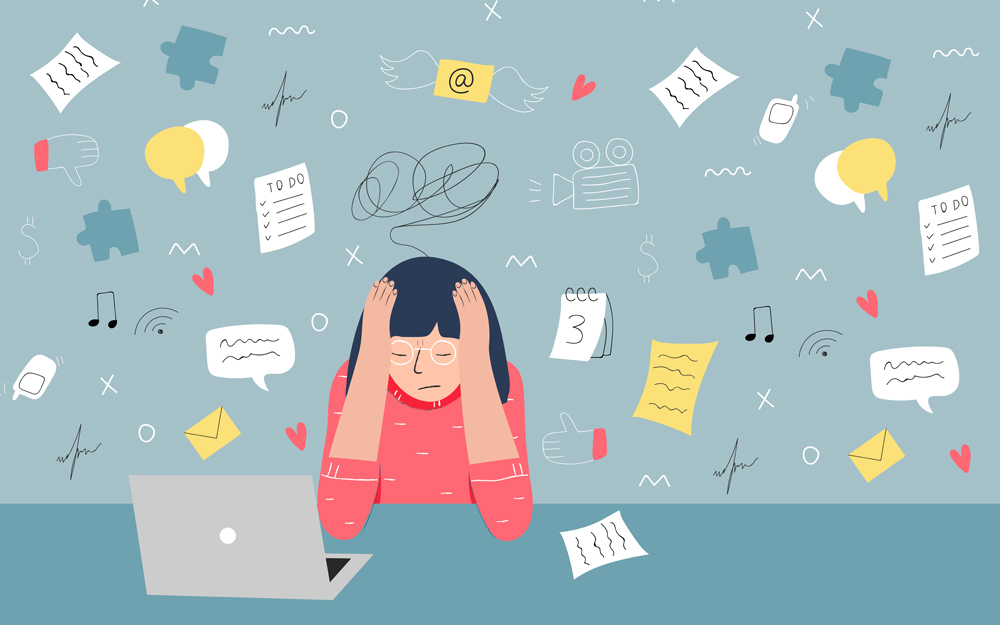
How does stress affect your brain and body
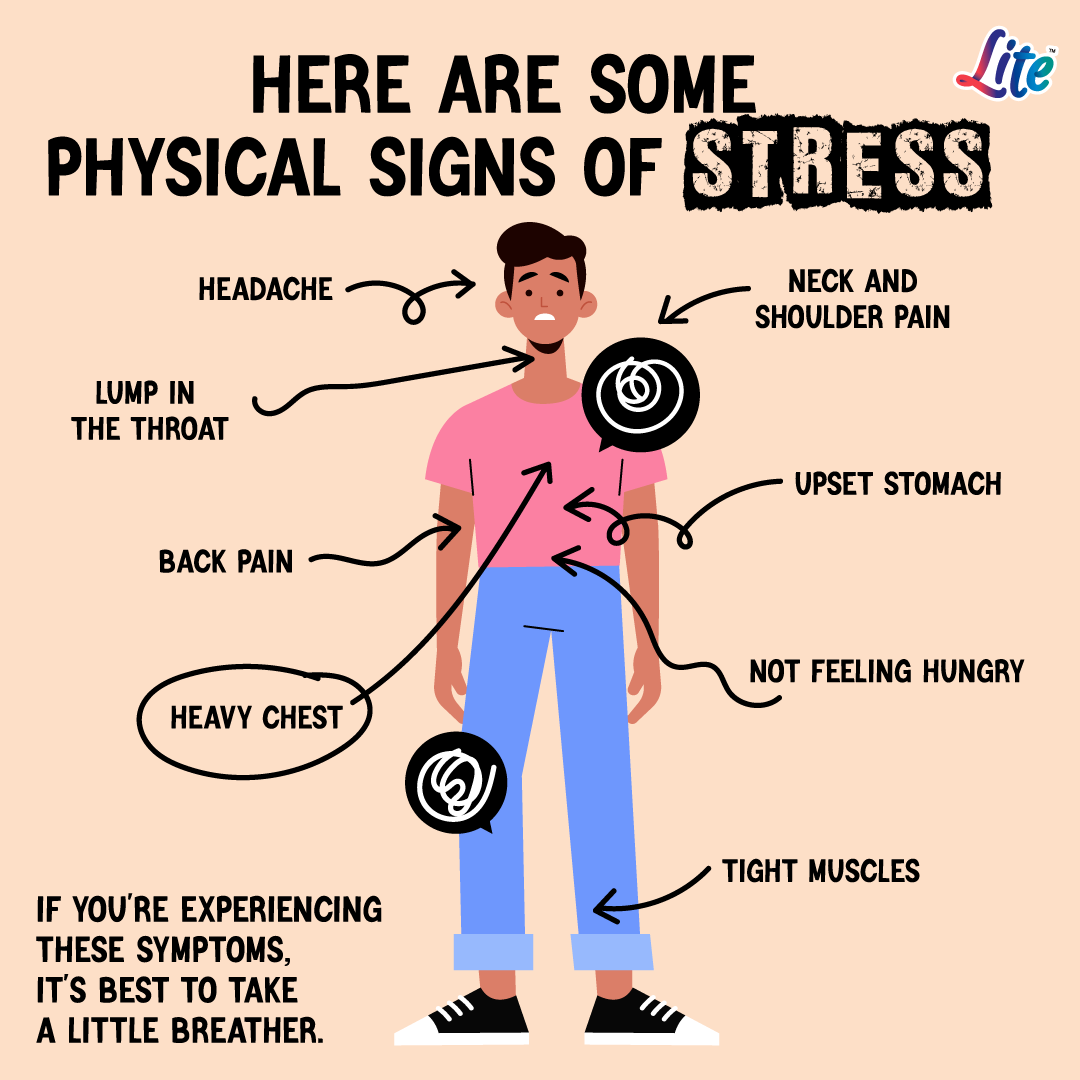
Signs and symptoms

How to manage stress
How does stress affect your brain and body
Stress affects both the brain and body. Little bit of stress is good for people to perform and protect themselves but too much stress can overwhelm them leading to fight, flight or freeze response. So learning how to cope with stress is important for our mental and physical wellbeing. Stress can cause an imbalance of neural circuitry subserving cognition, decision making, anxiety and mood that can increase or decrease expression of those behaviors and behavioral states. This imbalance, in turn, affects systemic physiology via neuroendocrine, autonomic, immune and metabolic mediators.
Signs and symptoms
Chronic stress affects the whole body. It can have several physical or psychological symptoms, which can make functioning on a daily basis more challenging. The type and severity of symptoms vary considerably from person to person. Signs and symptoms of chronic stress can include:
- irritability, which can be extreme
- fatigue
- headaches
- difficulty concentrating, or an inability to do so
- rapid, disorganized thoughts
- difficulty sleeping
- digestive problems
- changes in appetite
- feeling helpless
- a perceived loss of control
- low self-esteem
- loss of sexual desire
- nervousness
- frequent infections or illnesses
How to manage stress?
Learning to cope with stress will make you become resilient to stress. The new realities of working from home, temporary unemployment, home-schooling of children, and lack of physical contact with other family members, friends and colleagues take time to get used to. Adapting to lifestyle changes such as these and managing the fear of contracting the virus and worrying about people close to us who are particularly vulnerable, are challenging for all of us. They can be particularly difficult for people with mental health conditions.
Maintain a daily routine
Due to the COVID-19 pandemic social restrictions a lot of people are forced to stay at home. Having a daily schedule can help us use our time efficiently and not feel bored. Set time for regular meals, working from home, spending time with family members, exercise, daily chores and other recreational activities.
Sleep Adequately
Getting enough sleep at least 8 hours a night is good for both our body and mind. Sleep repairs, relaxes, rejuvenates our body and reverses the effect of stress. Good sleep habits (sleep hygiene) can help you improve your sleep:
- Be consistent. Go to bed at the same time each night and get up at the same time each morning, including on the weekends
- Make sure your bedroom is quiet, dark, relaxing, and at a comfortable temperature
- Remove electronic devices, such as TVs, computers, and smartphones, from the bedroom
- Avoid large meals, caffeine, and alcohol before bedtime
- Get some exercise. Being physically active during the day can help you fall asleep more easily at night
Connect with others
The disruption to work, employment, family life, incomes and education caused by the COVID-19 pandemic is widespread. Different individuals respond to such situations in different ways. To some, the effects have little impact on their mental well-being. For others, it can cause different levels of distress. This is true for all age-groups including adolescents. There are some mental health conditions that are caused or exacerbated in some individuals in such circumstances that need immediate action. Two such conditions are anxiety and depression, which need psychological or medical support. Therefore, it is important that common symptoms of such conditions are identified early. We also must understand that some of these symptoms are similar to symptoms of stress. However, these are more persistent and lead to greater distress and more commonly affect the day to day functioning of a person, including work and education. Due to the current COVID-19 social restrictions a lot of people are isolated and not able to meet their loved ones. Keep in touch with family and friends through various means such as video calls, phone calls etc. while respecting physical distancing norms. Staying in touch with our dear ones is essential for our mental well-being.