What is drinking
Drinking is the act of ingesting water or other liquids into the body through the mouth, proboscis, or elsewhere. Humans drink by swallowing, completed by peristalsis in the esophagus. The physiological processes of drinking vary widely among other animals. Water is required for many physiological processes. Both inadequate and excessive water intake are associated with health problems.
Drinking Method
When a liquid enters a human mouth, the swallowing process is completed by peristalsis which delivers the liquid through the esophagus to the stomach; much of the activity is abetted by gravity. The liquid may be poured from the hands or drinkware may be used as vessels ......
Hydration and dehydration
Like nearly all other life forms, humans require water for tissue hydration. Lack of hydration causes thirst, a desire to drink which is regulated by the hypothalamus in response to subtle changes in the body's electrolyte levels and blood volume ......
Human water requirements
A daily intake of water is required for the normal physiological functioning of the human body. The USDA recommends a daily intake of total water: not necessarily by drinking but by consumption of water contained in other beverages and foods ......
Drink Water
Methods of drinking
Hydration and dehydration
Human water requirements
Methods of drinking
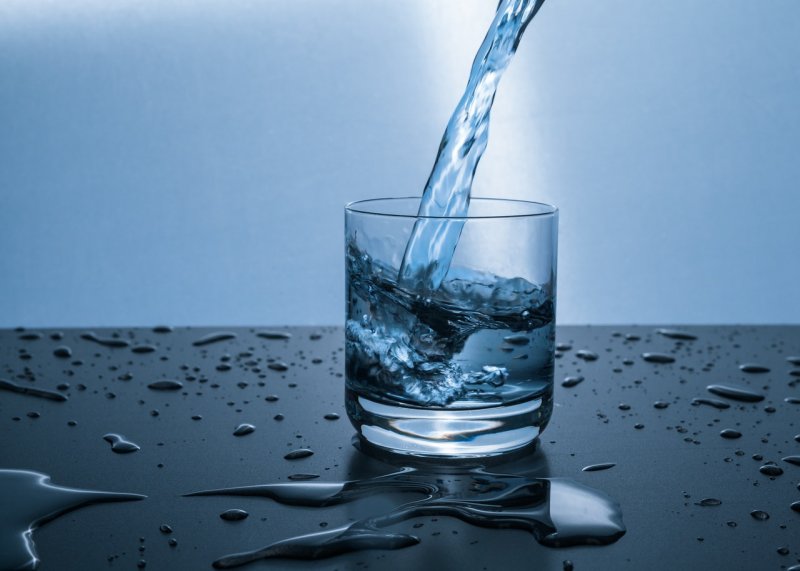
When a liquid enters a human mouth, the swallowing process is completed by peristalsis which delivers the liquid through the esophagus to the stomach; much of the activity is abetted by gravity. The liquid may be poured from the hands or drinkware may be used as vessels. Drinking can also be performed by acts of inhalation, typically when imbibing hot liquids or drinking from a spoon. Infants employ a method of suction wherein the lips are pressed tight around a source, as in breastfeeding: a combination of breath and tongue movement creates a vacuum which draws in liquid.
Hydration and dehydration
Like nearly all other life forms, humans require water for tissue hydration. Lack of hydration causes thirst, a desire to drink which is regulated by the hypothalamus in response to subtle changes in the body's electrolyte levels and blood volume. A decline in total body water is called dehydration and will eventually lead to death by hypernatremia. Methods used in the management of dehydration include assisted drinking or oral rehydration therapy. An overconsumption of water can lead to water intoxication, which can dangerously dilute the concentration of salts in the body. Overhydration sometimes occurs among athletes and outdoor laborers, but it can also be a sign of disease or damage to the hypothalamus. A persistent desire to drink inordinate quantities of water is a psychological condition termed polydipsia. It is often accompanied by polyuria and may itself be a symptom of diabetes mellitus or diabetes insipidus.
Human water requirements
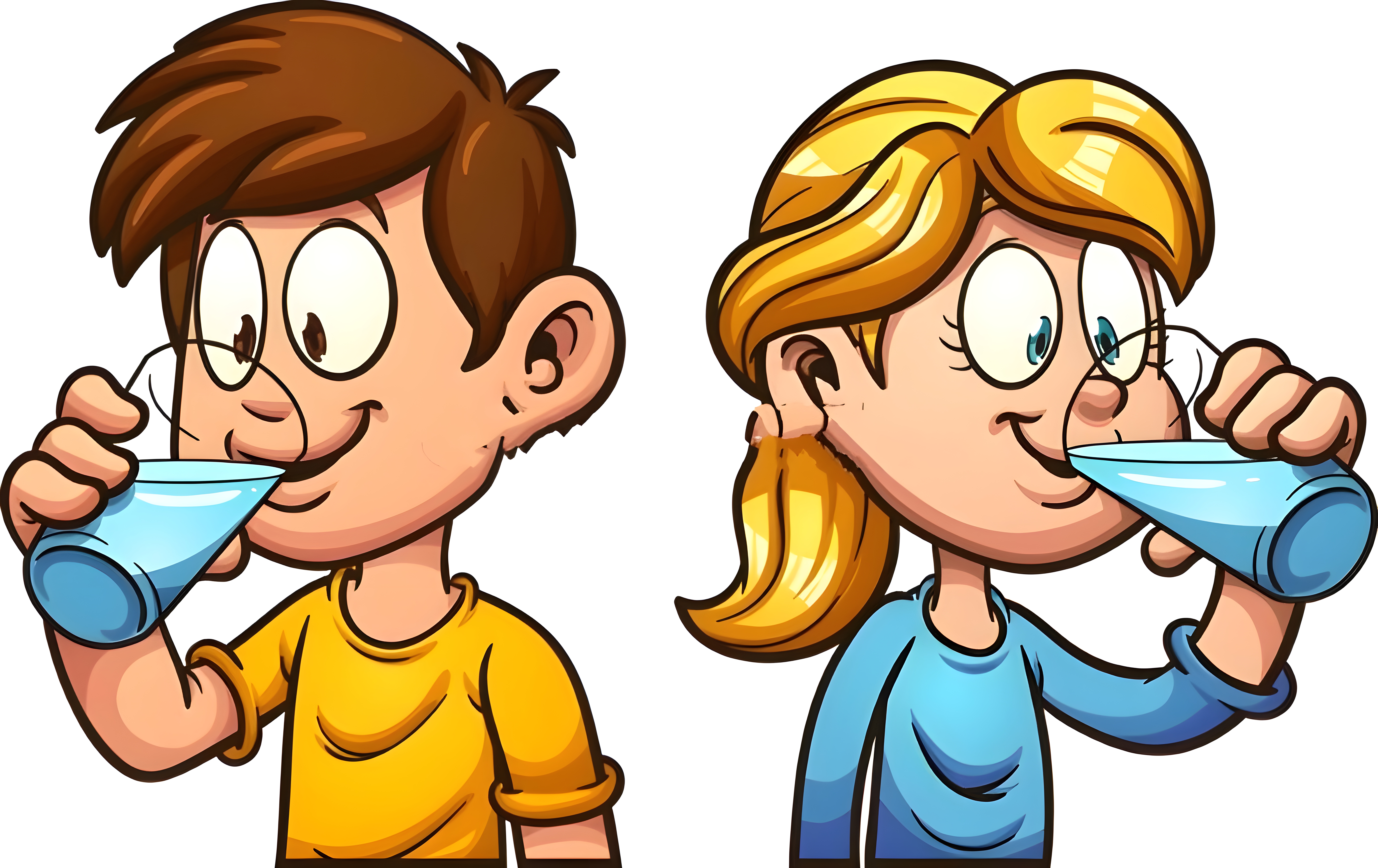
A daily intake of water is required for the normal physiological functioning of the human body. The USDA recommends a daily intake of total water: not necessarily by drinking but by consumption of water contained in other beverages and foods. The recommended intake is 3.7 liters per day for an adult male, and 2.7 liters for an adult female. Other sources, however, claim that a high intake of fresh drinking water, separate and distinct from other sources of moisture, is necessary for good health – eight servings per day of eight fluid ounces is the amount recommended by many nutritionists, although there is no scientific evidence supporting this recommendation. Evidence-based hydration experts say that the amount of drinking water needed depends on ambient temperature, activity level, body size, and sweat rate. Research shows drinking when thirsty will maintain hydration to within about 2% of the needed level. Drinking beyond thirst might be beneficial for people who need to perform tasks that require intense concentration, and those with kidney disease, kidney stones, urinary tract infections, and people with a weak sense of thirst.